

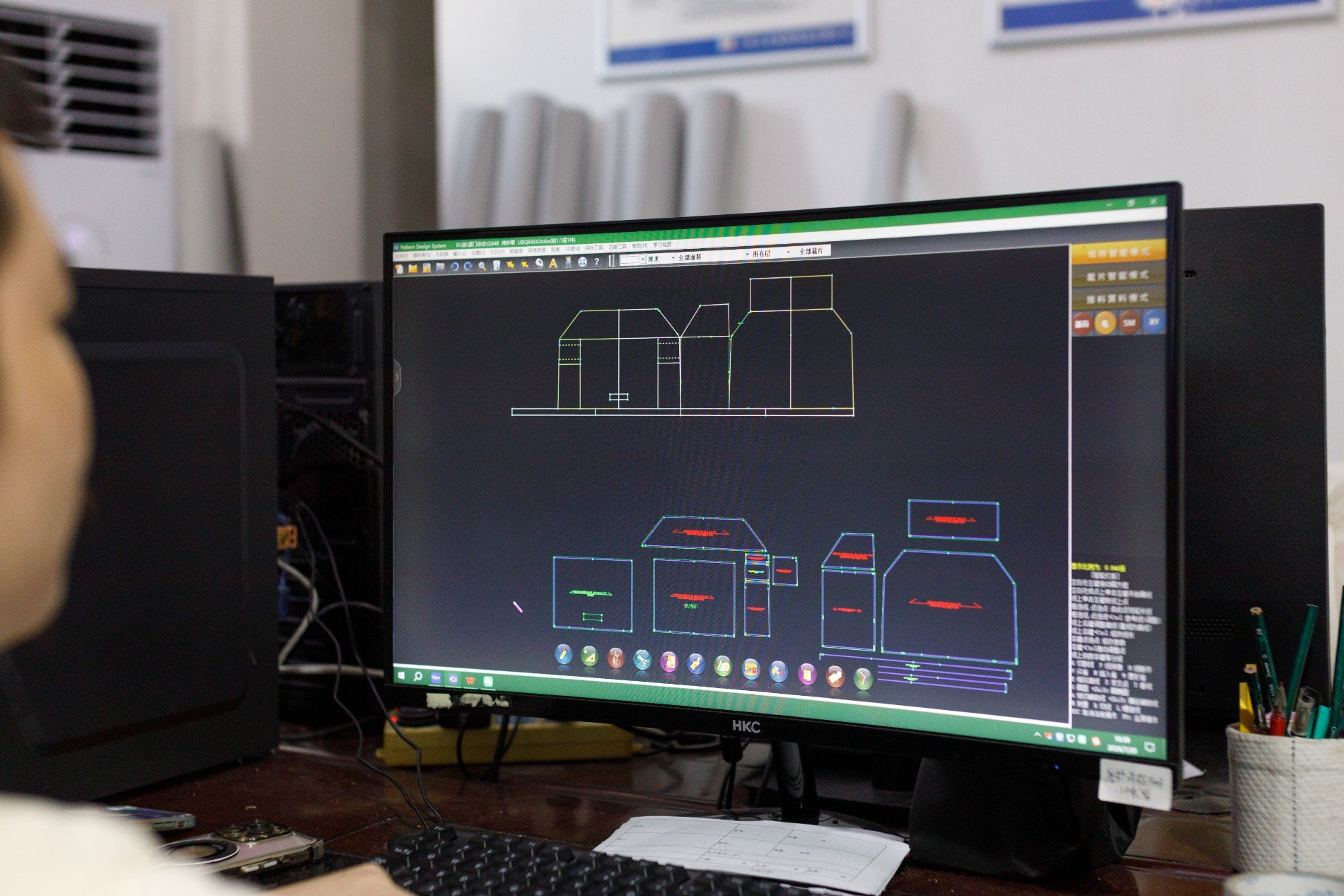
A useful protective cover brief explains what the cover must do before specifying how it should be made. For brands, importers and distributors, a clear starting brief helps connect product dimensions, daily handling, material choices and commercial requirements. It also gives the sampling team a reference against which to review the first prototype.
1. Describe the product and its operating environment
Identify the product being covered and explain when the cover will be fitted and removed. Include photographs from several angles, noting handles, wheels, vents, sharp edges and any parts that remain attached during storage. Specify whether the application is indoor storage, outdoor storage or another use. A cover intended for storage should not be assumed suitable for use while equipment is operating or during transport.
Explain the protection priorities in plain language: keeping dust off a stored product, reducing exposure to rain, protecting contact surfaces or making installation easier. If a particular test method or performance threshold is required, include it in the brief rather than relying on a general description such as “heavy duty.”
2. Provide measurements and access requirements
Supply overall length, width and height, then add measurements for protrusions, curves and changes in profile. Mark the measurement points on photographs or drawings and state the units. CAD files, an existing cover or a physical product sample can provide additional context. Explain whether one cover must fit several models or whether each model needs a separate pattern.
Describe any access that must remain available while the cover is fitted. Examples include a trailer door, a control panel or a storage compartment. Note the preferred opening position and how the user will secure the cover. These details belong in the fit review alongside overall dimensions.
3. Separate material preferences from confirmed requirements
If you already have an approved fabric, identify it and provide a sample or specification. Otherwise, explain the expected exposure, handling frequency and contact surfaces so that material and construction options can be discussed together. Fabric, coating, seam placement, reinforcement and fastening details should be reviewed as a complete cover.
List any required color, lining, ventilation, zipper, strap or elastic detail. Distinguish mandatory features from preferences that can be revised after sampling. Claims about waterproofing, service life or other performance should be tied to agreed specifications and appropriate validation; they should not be inferred from a fabric name alone.
4. Include branding, packaging and order information
Share logo artwork, proposed logo placement, label content and packaging requirements. State whether the cover will be sold individually, supplied with another product or packed in bulk. Include any storage bag, instructions, barcode or carton marking requirements that affect the finished specification.
Provide the target order quantity, the planned size range, the destination market and the requested schedule. Explain which dates are fixed and which are estimates. Minimum order quantity, sample timing and production timing need to be confirmed for the specific project.
5. Agree how the sample will be reviewed
Before sample development, identify who will review fit and how the product will be made available for that review. Record comments against the same drawing or specification revision. Check installation, removal, access, fastening and contact points, as well as appearance.
After changes are agreed, keep the approved sample and written specification aligned. Record the final measurements, construction details, branding and packaging so that the production reference is clear. Any later change should identify which part of that reference it replaces.
A practical brief checklist
- Product name, intended use and photographs
- Dimensioned drawing, measurement units and model variations
- Protection priorities and any required tests
- Access openings, fastening and handling requirements
- Material preferences, color and contact-surface requirements
- Branding, instructions, storage bag and packaging
- Target quantity, destination market and schedule
- Sample review method and approval responsibilities
See our custom cover development process and manufacturing overview for more context. To discuss a project, send Hengyuan your product photographs, dimensions and target quantity. The brief can then be reviewed against the application and the next sampling steps.